
Faith reaches deeper than a religious label or routine. It involves what we believe in our hearts and how we express that belief through our words, choices, and actions.
God is the source of our lives and our capacity to believe. Growing in faith means learning to trust him and live what we believe.
As we practice that trust, faith becomes a more natural part of everyday life.
Here are six simple principles to help us grow.
1. Recognize Where Life Begins
Genesis 1:1 (KJV)
“In the beginning God created the heaven and the earth.”
The heavens, the earth, the stars, and the oceans remind us of the Creator. Before we consider what we can accomplish, we should recognize who gave us life.
God is the reason we can breathe, think, learn, and experience the world around us.
Knowing our source gives us a foundation for gratitude, purpose, and responsibility.
Your life has a source, and your life matters.
2. Use the Faith and Gifts God Has Given You
Romans 12:3 (KJV, excerpt)
“According as God hath dealt to every man the measure of faith.”
Paul calls believers to recognize what God has given them with humility. He then describes the church as one body with different gifts and contributions.
Romans 12:6–8 encourages us to put those gifts into practice through serving, teaching, encouraging, giving, and leading.
God is the source, and we have a responsibility to develop and use what we have received.
If you can encourage, speak words that strengthen someone. If you can teach, help someone understand. If you have resources to share, give generously. If you can serve, look for a practical need you can meet.
You do not have to possess someone else’s gift to make a difference. Begin with what God has entrusted to you.
Faith becomes visible when we use our gifts to benefit others.
3. Let Truth Shape What You Believe
Romans 10:17 (KJV)
“So then faith cometh by hearing, and hearing by the word of God.”
Our experiences, surroundings, and upbringing influence our beliefs. Growing in faith requires us to examine those beliefs in the light of Scripture.
A person may think, “I can never change,” because they have struggled for years. But that conclusion deserves examination.
God’s truth can challenge their understanding and encourage them to seek help, develop better habits, and begin again.
Ask yourself: “Is this belief grounded in truth, or have I simply accepted it?”
We grow when we remain willing to learn.
What we believe should always be open to examination in the light of truth.
4. Put Your Belief into Action
James 2:17 (KJV)
“Even so faith, if it hath not works, is dead, being alone.”
Living faith moves us to respond.
You can believe your car is capable of taking you somewhere. But you still need to get inside, start it, and drive responsibly.
You can believe an airplane can carry you to another city. But the trained crew must operate it, and you must board.
These examples show how trust leads to participation.
Many believers acknowledge God as their source but hesitate to act on what they believe. Recognizing his provision should move us toward faithful participation.
If you believe generosity matters, share what you can. If you believe relationships matter, make time to listen. If you believe learning can help you grow, begin studying.
What action would express what you say you believe?
5. Trust God While Taking Responsible Steps
Proverbs 3:5–6 (KJV)
“Trust in the LORD with all thine heart; and lean not unto thine own understanding. In all thy ways acknowledge him, and he shall direct thy paths.”
Depending on God includes seeking his wisdom as we fulfill our responsibilities.
Someone seeking employment can pray while updating a résumé, applying for positions, and preparing for interviews.
Someone seeking a healthier relationship can pray while learning to communicate, acknowledge mistakes, and establish appropriate boundaries.
We cannot control every outcome, but we can take the next responsible step.
Trust God for direction, and act on the wisdom you receive.
6. Let Faith Become Your Everyday Way of Life
2 Corinthians 5:7 (KJV)
“For we walk by faith, not by sight.”
Walking describes a continuing way of life. As we consistently practice what we believe, our responses can become more natural and less forced.
Think about learning to drive. At first, you carefully think through every movement. With instruction and practice, those actions become more familiar. You still need attention and good judgment, but your confidence grows.
Likewise, practicing patience, forgiveness, gratitude, and honesty helps those responses become established in our character.
At first, you may need to pause deliberately before responding in anger. Over time, patience can become a more familiar response. What you believe about loving people begins to shape how you treat them.
Difficult seasons still require courage and intentional choices. Yet growing trust helps us respond without feeling that we must manufacture an emotion.
The more we practice living what we believe, the more naturally those beliefs find expression in our lives.
Live What You Believe
God is the source. Our response is to receive his truth, grow in understanding, and put our trust into practice.
Ask yourself:
What am I allowing into my heart?
How am I using the gifts God has given me?
What faithful step can I take today?
Faith becomes visible through what we consistently practice one word, one choice, and one action at a time.
Christian Outreach Center
Faith That Transforms Lives
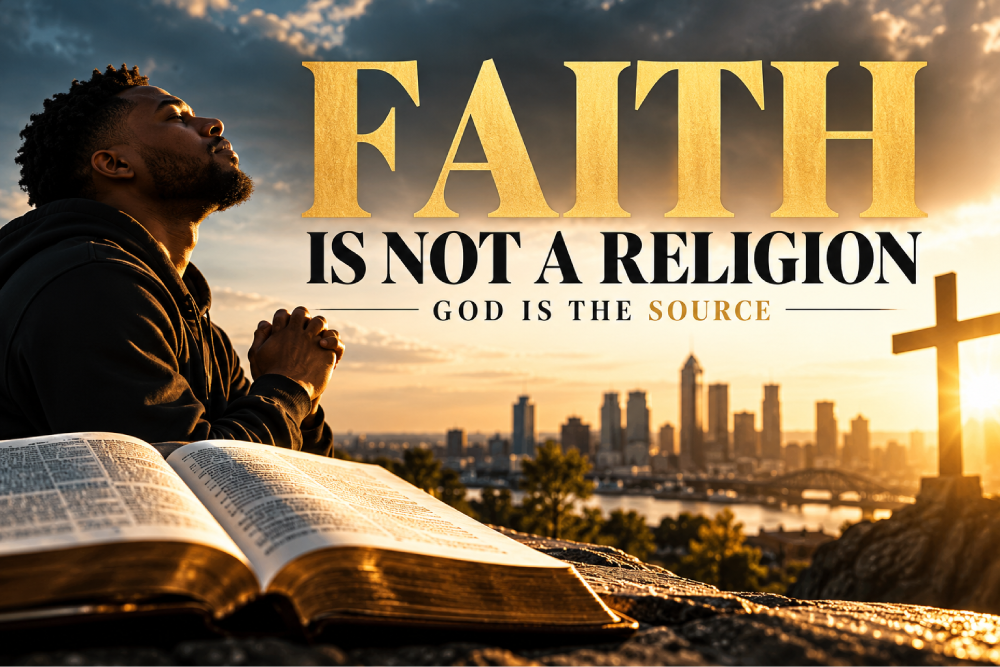
Faith Is Not a Religion - God Is the Source
Need prayer or encouragement?
Connect with the COC family.


Margaret Lewis
Take time to think and act on what you believe aligned with truth, God’s truth.